Construction Site Safety Visibility: Managing Risk Across Multiple Sites
News
Mitchell Smith
Aug 17, 2026
5
mins
Construction site safety visibility is one of those problems that only becomes visible at the worst possible moment.
For example, an H&S manager gets a call about an incident on one of their sites. The first question anyone asks is who was actually there at the time. The honest answer often takes far longer to get to than it should.
A Scenario Most H&S Teams Will Recognise
Picture an H&S Director overseeing 12 active sites across three regions. Each site runs its own sign-in process: one uses a paper register, another a spreadsheet the site manager updates at lunch, a third a different digital tool entirely, because that's what the site manager was used to at their last company.
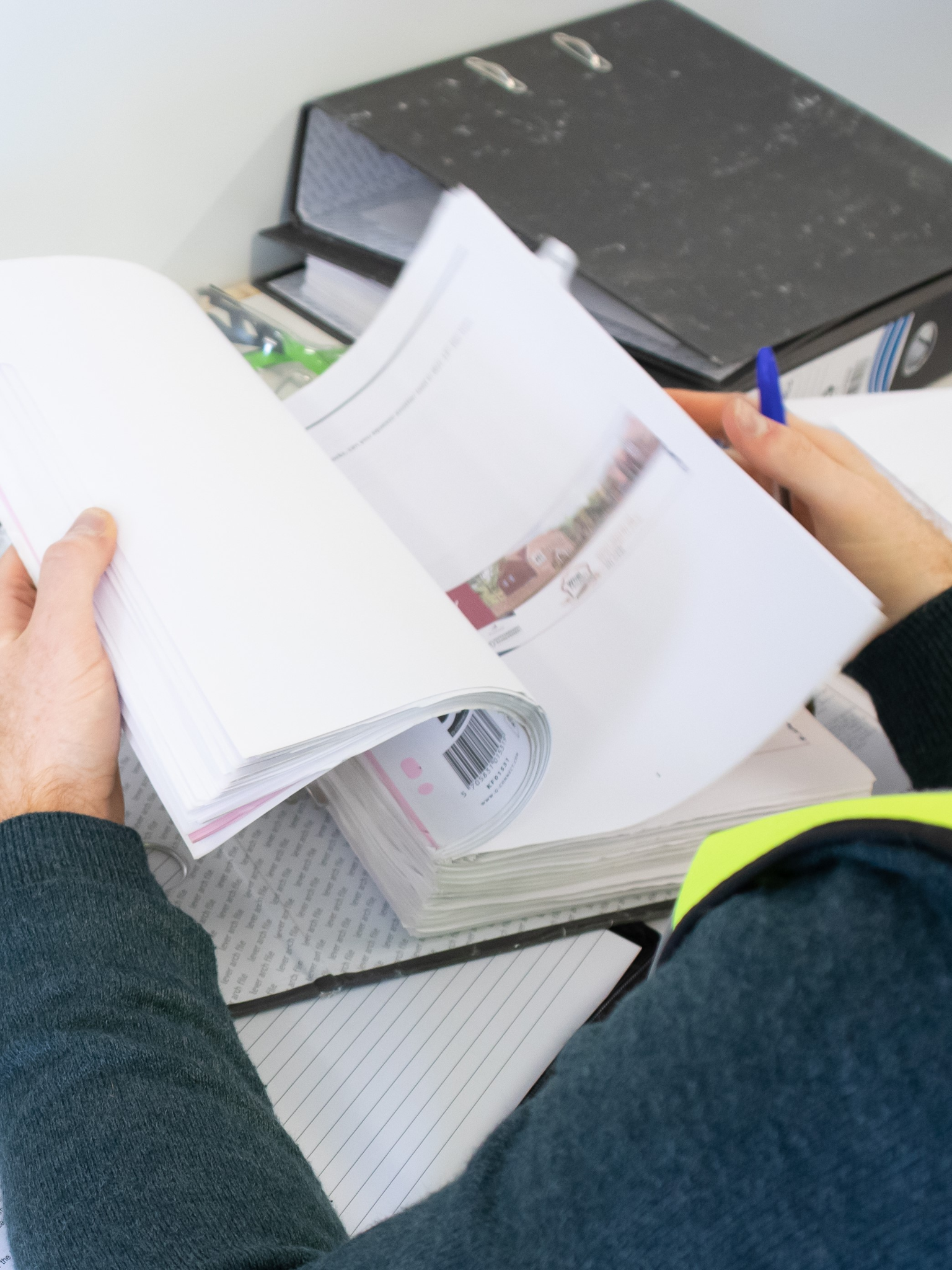
None of these systems talk to each other. So when something happens on site 7 and the H&S Director needs to know who was there, whether they were inducted, and whether their qualifications were current, the answer isn't a lookup. It's a phone call to the site manager, who then has to go and check.
That call might take ten minutes. It might take an hour if the site manager is on another part of the site, or off that day, or the record itself is out of date. Multiply that by 12 sites and however many times a year something needs checking, and the real cost isn't the individual delay. It's that every site is a slightly different black box, and the H&S team is reconstructing visibility from scratch every time.
Why Visibility Gets Lost
No one designed it this way on purpose. Paper registers, spreadsheets, and site-specific tools all made sense in isolation, solving a single site's problem at a time. The issue only shows up at the point someone needs to see across sites, and by then the disconnected systems are already baked into how each site runs.
The Real Risk Isn't the Incident, It's the Gap Afterward
Safety risk isn't only about what happens on site. It's about how quickly a team can respond once something does.
A slow answer to who was there delays everything that follows: welfare checks, investigation, reporting to the board or to the regulator. The longer it takes to establish visibility, the harder it becomes to act on what's found, and the worse it looks if anyone asks why it took so long.
Why This Matters More Now
UK construction compliance is shifting away from "we have a process, here's the folder" and toward "prove the process was followed." The Building Safety Act and CDM 2015 both push in this direction, and the restructuring of the Building Safety Regulator in early 2026 has sharpened the expectation that records need to be current and verifiable, not reconstructed after the fact.
For a single-site business, that shift is manageable. For a multi-site housebuilder or contractor, it means the old approach, ten different formats for ten different sites, stops being a quirk of how the business grew and starts being a real exposure.
What This Looks Like in Practice
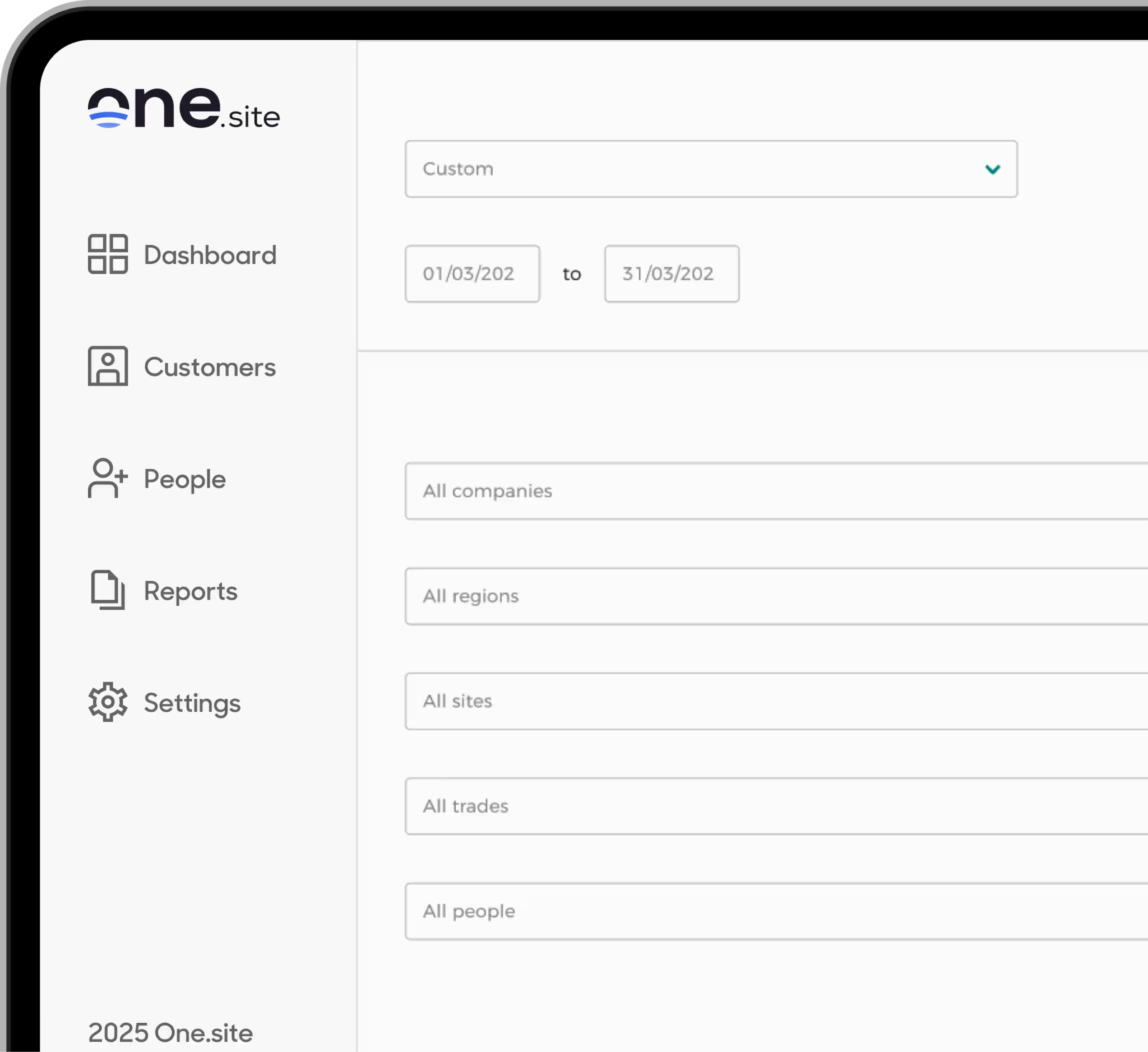
The alternative isn't a bigger spreadsheet. It's one system every site uses the same way, so an H&S Director can see, from a single screen, who's inducted, who's approved, and who's checked in at any site right now, without a phone call.
When something happens, the answer to "who was there" takes as long as it takes to open the app. When an auditor or regulator asks for proof rather than a description of the process, it's already there, timestamped, per worker, per site.
That's the actual difference visibility makes. Not a dashboard for its own sake, but the gap between reconstructing an answer under pressure and already having it.
See How One.site Works
One.site gives H&S teams a single, live view of who's inducted, approved, and on site, across every location, without stitching it together from separate systems. From digital inductions to real-time check-ins, it's built so the answer to "who was there" is never more than a few taps away.
If you're managing visibility across multiple sites and want to see what that actually looks like, we'd love to show you.